
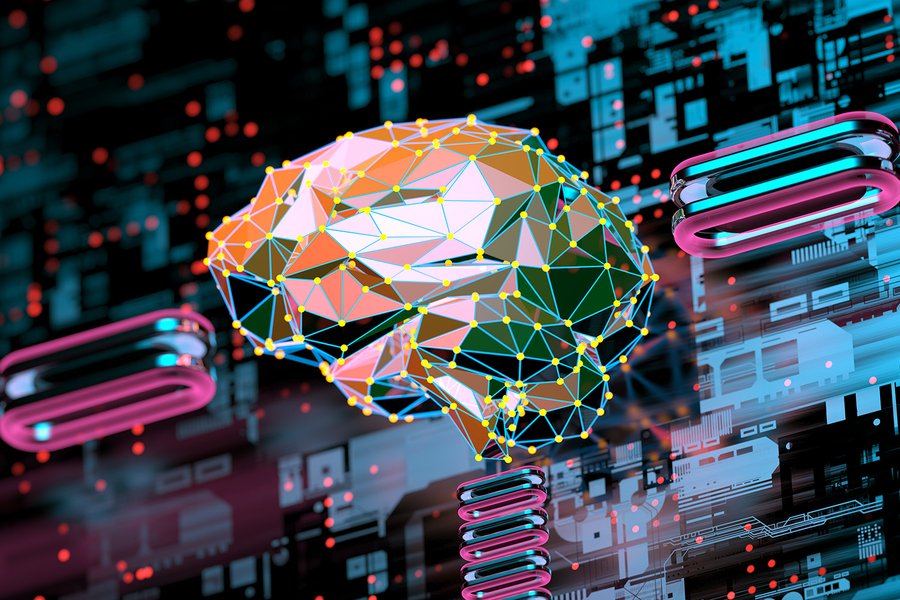
AI interpretability vs training process
This article explores AI interpretability vs training process and breaks down how AI models actually learn during training and why “interpretability creationism”—the belief that intelligence comes from human-designed rules instead of emergent learned features—creates tension in how we understand modern AI. Here’s a clean, WordPress Gutenberg–friendly version of your article with block structure, optional images, and SEO-ready formatting.
Table of Contents
- How Modern AI Training Actually Works
- What Is Interpretability Creationism?
- The Core Tension Between Training and Interpretability
- Real-World Examples
- Why This Debate Matters
- The Future of AI Transparency
How Modern AI Training Actually Works
AI models don’t learn from rules. They learn from patterns. During training, a model repeatedly makes predictions, compares them to the correct answers, and adjusts weights through gradient descent. Over millions of steps, the model discovers useful internal representations—features, abstractions, and concepts—that help it solve tasks.
- Massive datasets provide examples.
- Gradient descent fine-tunes internal connections.
- Emergent features arise naturally from optimization.
What Is Interpretability Creationism?
Interpretability creationism is the belief that AI capabilities come from structures intentionally designed by humans rather than from emergent properties. It clashes with modern machine learning evidence, which shows that models form their own internal logic during training—logic that can be alien, complex, and hard to reverse-engineer.
The Tension Between Training and Interpretability
The more powerful a model becomes, the harder it is to interpret. This leads to tension:
- Training encourages complexity.
- Interpretability demands simplicity.
- Safety requires understanding.
As AI scales, these goals collide. Researchers want transparent systems, yet performance improves when models operate with vast, opaque internal structures.
Real-World Examples
Visualization of internal neuron activations in a neural network. Neural networks often develop unexpected or uninterpretable features.
Some cases illustrate this tension clearly:
- Neurons activating for abstract concepts like “deception”.
- Vision models using background cues instead of objects.
- Language models developing multi-step reasoning without instruction.
Why This Debate Matters
The divide between training-based emergence and human-designed logic has huge implications:
- Safety: Understanding internal reasoning reduces risk.
- Regulation: Transparent models meet compliance standards.
- Trust: Users need explainable systems.
Without bridging the gap, AI systems may remain powerful but unpredictable black boxes.
The Future of AI Transparency
The future lies in hybrid approaches: better training methods, better interpretability tools, and potentially new architectures that create clarity without sacrificing performance.
As AI grows more capable, the need to understand it grows even faster.